New Narratives and New Vibes for Democracy (ENG)
Storytelling strategies to counter authoritarian narratives.
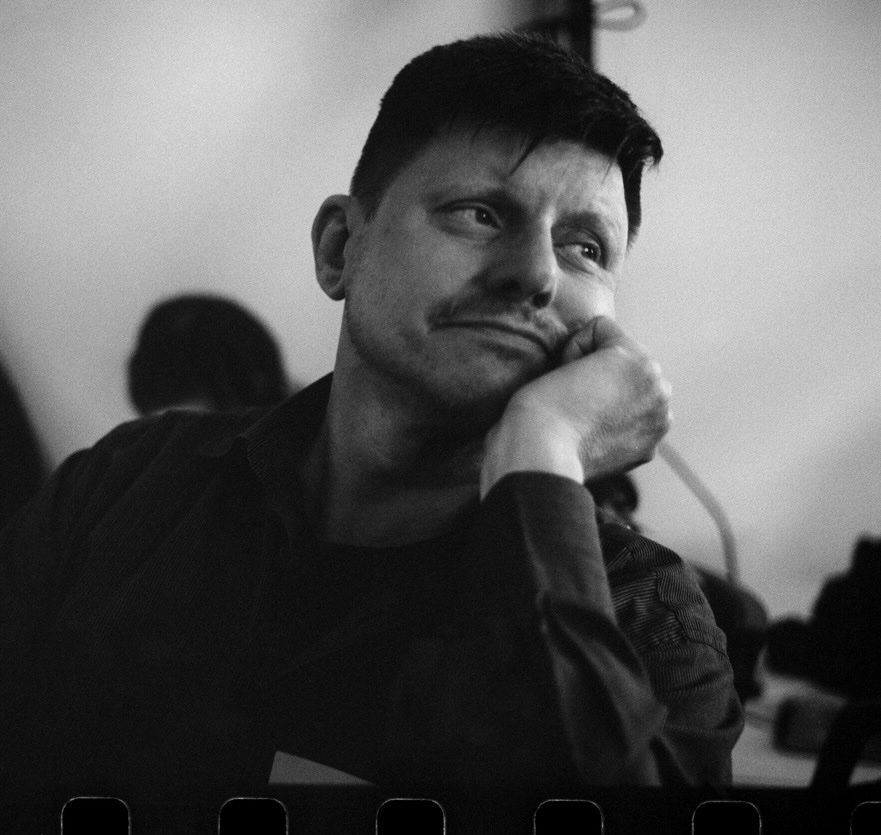
Foto: Jošk Franko, D hub
Elected authoritarian leaders understand the power of stories. They use narratives to dominate public conversation and consolidate power through lies, distortion, fear, and division. Yet they also speak in simple, accessible language, creating a sense of belonging to engage overlooked communities. Identifying this helps us understand their appeal and how to counter it.
That's where the Anti-Authoritarian Toolkit comes in. It focuses on narrative strategies: six plays designed to help you present your messages, connect emotionally with people, and build resilient political movements. Each play offers tested approaches to capture attention, inspire action, and foster long-term engagement – not just moments of mobilization, but lasting communities of trust and participation.
In this workshop we show how to design messaging in real concerns, craft universal themes that unite diverse groups, and use humor and symbols to engage people. We also explore how to break through authoritarian shields – exposing corruption, betrayal, and the harm hidden behind false promises.
Throughout, we emphasize narratives that reflect people's lived experiences – showing how political change can improve the daily life of citizens. When messages mirror familiar and prevailing struggles and hopes, they become more authentic, mobilizing, and credible.
Our goal is to equip workshop participants with the tools to take control of public discourse and reshape our communities around values of unity, hope, and shared humanity. Because the stories we tell can turn the tide.
Achtung
Aufzeichnung

00:00
/
00:00
Zum Nachlesen
Die Inputs aus der Veranstaltung in Artikelform.
Speaker*innen
Weitere Veranstaltungen von Faktor D

„Community zum Ausleihen"
Ob die Schwarze Kinderbibliothek in Bremen oder die Kantonsbibliothek Zug – wir zeigen Good Practices, wie Bibliotheken mit wenig Ressourcen Räume für Begegnung, Teilhabe und gesellschaftliches Miteinander schaffen.
Wie lassen sich Räume für die Community schaffen und halten – auch ohne große Ressourcen? Und wie können Nutzer*innen aktiv einbezogen werden? Wir stellen Good Practices vor, die zeigen, wie Bibliotheken im DACH-Raum mit überschaubarem Aufwand zu lebendigen Räumen für Begegnung und Kooperation werden können. Bibliotheken sind ein Ort für Gemeinschaft, Beteiligung und gesellschaftlichen Zusammenhalt. Im Fokus stehen Projekte, in denen Bibliotheken Teilhabe ermöglichen und marginalisierte Gruppen sichtbar machen.
Sheeko Ismail initiiert 2022 die Schwarze Kinderbibliothek Deutschlands. Mit über 1.000 Büchern stellt die Bibliothek Schwarze Kinder und Jugendliche in den Mittelpunkt und schafft mit empowernden Angebote einen Safe(r) Space für Bildung und Begegnung. Jasmin Leuze leitet die Schweizer Kantonsbibliothek Zug und macht sie zu einem Ort gelebter Demokratie. Mit einem partizipativen Modell zeigt sie, wie durch Community-orientierte Gestaltung ein inklusiver Ort entstehen kann.
Die Veranstaltung richtet sich an zivilgesellschaftliche Initiativen, kommunale Akteur*innen, Bibliotheksmitarbeitende und alle, die Orte der Begegnung demokratisch gestalten wollen. Teilnehmende erhalten konkrete Impulse, neue Perspektiven und erprobte Handlungsansätze – zum Mitnehmen, Nachmachen und Weiterdenken.
Die Veranstaltung ist Teil der dritten Mission von Faktor D zum Thema Bibliotheken und Demokratie.

„Bibliotheken als demokratische Orte“
Bibliotheken sind unschätzbar wichtige öffentliche Orte. Daher müssen wir sie als starke demokratische Partnerinnen vor Ort endlich stärker einbinden, fordern Judith Galka (Deutsche Stiftung für Engagement und Ehrenamt) und Karlheinz Boss (KUS Netzwerk Österreich).
In einer Zeit wachsender gesellschaftlicher Spannungen gewinnen Räume für politische Bildung und demokratische Auseinandersetzungen an Bedeutung. Bibliotheken sind mehr als nur Wissensspeicher – sie fördern kritische Auseinandersetzungen, den gesellschaftlichen Austausch und bieten in Städten oft einen der wenigen konsumfreien Begegnungsräume. Auf dem Land sind sie häufig die letzten öffentlich zugänglichen Orte.
Judith Galka, ehemalige Programmleiterin der Zentral- und Landesbibliothek Berlin, und Karlheinz Boss vom KUS-Netzwerk aus Österreich, rufen dazu auf, Bibliotheken als demokratische Partnerinnen vor Ort stärker einzubinden und die immensen Kooperationspotentiale zu nutzen. Insbesondere lokale Demokratieprojekte sollten jetzt die Kraft von Bibliotheken als offene, partizipative und reichweitenstarke Demokratieräume ernst nehmen und für ihre Arbeit nutzen. Gemeinsam blicken wir auf konkrete Anknüpfungspunkte und Erfolgsgeschichten.

„Lasst es raus“
Immer schön sachlich bleiben? Keine so gute Strategie gegen Populismus, findet Johannes Hillje. Der Politik- und Kommunikationsberater fordert eine „neue demokratische Emotionskultur.“
Wir befinden uns in polarisierten, krisengeprägten Zeiten. Diskursräume sind zunehmend emotional aufgeladen, eine hitzige Debatte jagt die nächste. Nachvollziehbar, denn Politik und politische Aushandlungen sind unmittelbar mit Gefühlen verbunden. Es geht um Überzeugungen, um Werte und den Wunsch nach Veränderung. Und antidemokratische Kräfte beherrschen diese emotionale Klaviatur perfekt: Sie schüren Ängste, fachen Wut an und locken mit gefühligen Hoffnungsbotschaften. Unter den demokratischen Akteur*innen gilt das Emotionale dagegen oft als unseriös.
Dabei ist das nüchtern Technokratische vielleicht keine so erfolgversprechende Strategie gegen spaltende Rhetorik des Populismus – findet zumindest Johannes Hillje. Der Politik- und Kommunikationsberater hat mit seinem neuen Buch „Mehr Emotionen wagen“ gerade ein Plädoyer dafür vorgelegt, dass wir selbst erlernen sollten, Gefühle und Demokratie zusammenzudenken und zu nutzen. Es braucht nicht weniger als eine „neue demokratische Emotionskultur.“ Johannes Hillje schreibt Bücher und kommentiert als Experte regelmäßig zu politischen Themen in Print und Fernsehen, u.a. für Der Spiegel, die tagesthemen und The Guardian.

„Völlig losgelöst“
Das Projekt „Los jetzt!“ organisiert Workshops, in denen ehemalige Teilnehmende von Jugend-Bürger*innenräten aus der Praxis berichten. So wollen sie andere für losbasierte Beteiligungsformate begeistern.
Erfahrungen teilen und andere begeistern: Das wollen die Macher*innen von „LOS jetzt“ erreichen.Im Projekt erarbeiten ehemalige jugendliche Bürger*innenräte kreative Ansätze, wie Entscheidungsträger*innen (z.B. Kommunalpolitiker*innen, Behördenmitglieder) für losbasierte Beteiligungsformate begeistert werden können. Dafür entwickeln sie beispielweise ein Bürger*innenrats-Planspiel.Im Rahmen dieser Veranstaltung laden wir Interessierte herzlich ein, gemeinsam über Ansätze für den breiten und vermehrten Einsatz von Bürger*innenräten zu diskutieren. Ein kurzer Input der Organisatoren sowie Erfahrungsberichte zweier Teilnehmenden dienen uns dabei als Grundlage.Das Projekt “LOS jetzt” ist im ersten Innovationsprozess von Faktor D entstanden und wird von Pro Futuris, dem Think+Do Tank der Schweizerischen Gemeinnützigen Gesellschaft und von Mehr Demokratie e.V. in Deutschland geleitet.
Eine Veranstaltung in Kooperation mit