New Narratives and New Vibes for Democracy (ENG)
Storytelling strategies to counter authoritarian narratives.
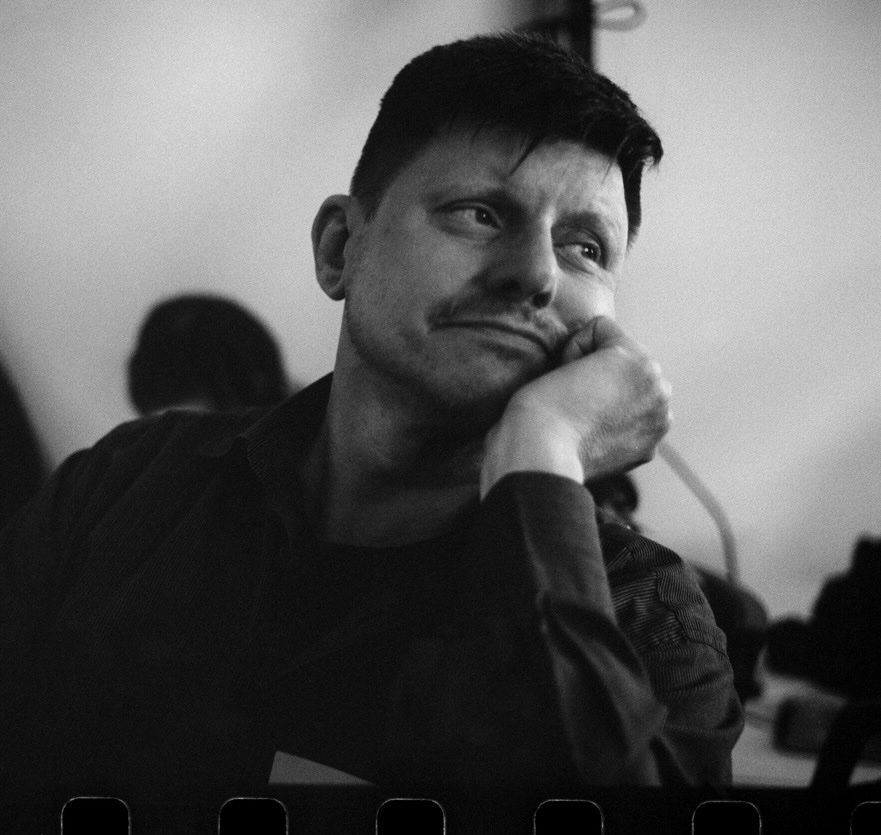
Foto: Jošk Franko, D hub
Elected authoritarian leaders understand the power of stories. They use narratives to dominate public conversation and consolidate power through lies, distortion, fear, and division. Yet they also speak in simple, accessible language, creating a sense of belonging to engage overlooked communities. Identifying this helps us understand their appeal and how to counter it.
That's where the Anti-Authoritarian Toolkit comes in. It focuses on narrative strategies: six plays designed to help you present your messages, connect emotionally with people, and build resilient political movements. Each play offers tested approaches to capture attention, inspire action, and foster long-term engagement – not just moments of mobilization, but lasting communities of trust and participation.
In this workshop we show how to design messaging in real concerns, craft universal themes that unite diverse groups, and use humor and symbols to engage people. We also explore how to break through authoritarian shields – exposing corruption, betrayal, and the harm hidden behind false promises.
Throughout, we emphasize narratives that reflect people's lived experiences – showing how political change can improve the daily life of citizens. When messages mirror familiar and prevailing struggles and hopes, they become more authentic, mobilizing, and credible.
Our goal is to equip workshop participants with the tools to take control of public discourse and reshape our communities around values of unity, hope, and shared humanity. Because the stories we tell can turn the tide.
Achtung
Aufzeichnung

00:00
/
00:00
Zum Nachlesen
Die Inputs aus der Veranstaltung in Artikelform.
Speaker*innen
Weitere Veranstaltungen von Faktor D
.avif)
Von Begegnung bis Protest, von digitalem Campaigning bis zum Vor-Ort-Organizing: Wie bündeln wir wirksam unsere Kräfte und Strategien?
Von Begegnung bis Protest: Wie können demokratische Akteur*innen ihre Strategien verbinden, voneinander lernen und gemeinsam mehr Wirkung für eine resiliente Demokratie erzielen? Mit Kira Hoffmann von openPetition gGmbH.
Viele Menschen setzen enorme Ressourcen – Zeit, Wissen und Geld – für eine resiliente Demokratie ein. Doch angesichts der aktuellen Herausforderungen reicht ein Nebeneinander nicht mehr aus. Wir müssen uns ernsthaft fragen: Wie entfalten wir mit unseren demokratischen Innovationen gemeinsam mehr Wirkung? Was will die bessere demokratische Zukunft von uns – uznd welche Praktiken braucht es jetzt in welcher Form?
Dafür haben wir mit der Demokrative von openPetition dieses Jahr einen Experimentierraum mit Demokratie-Praktikerinnen und -Praktikern aus ganz Deutschland geschaffen. Im Move Democracy Camp haben wir Menschen zusammengebracht, die Begegnungsformate umsetzen, Protest ermöglichen, Community Organizing betreiben, Kampagnen organisieren und Beteiligung vor Ort und digital gestalten – bottom-up und top-down.
In diesem Labor haben wir radikal ehrlich gefragt: Woran scheitern wir bisher? Was lernen wir aus Fehlern und Erfolgen? Und wie können auch scheinbar gegensätzliche Strategien und Praktiken im Zusammenspiel ihr Potenzial noch stärker entfalten?
Beim Mitmacht-Festival öffnen wir die Türen und berichten direkt von den Ergebnissen, harten Learnings und ersten konkreten Synergieprojekten aus unserem Experimentierraum. In Kleingruppen widmen wir uns den brennenden Fragen, die aus unserem Labor hervorgegangen sind: Welches Format braucht es jetzt, das unterschiedlichste Demokratiepraktiken für neue Schlagkraft zusammenbringt? Wie bauen wir eine gemeinsame Bibliothek der Praxis, statt das Rad immer wieder neu zu erfinden? Wie sehen solidarische Finanzierungsstrukturen abseits von Wettbewerbslogiken und wie sieht gelebte Solidarität zwischen unseren Ansätzen konkret aus?
Diskutiert mit uns die Learnings, denkt Kooperationen für euren Bereich weiter und bringt sie direkt selbstorganisiert in die Umsetzung!
.avif)
Nur wer gehört wird, fühlt sich zugehörig
Ein Workshop darüber, wie „Zuhören Berlin“ öffentliche Zuhörräume schafft, welche Art von Begegnung diese ermöglichen, und wie sie demokratische Teilhabe fördern. Mit Stephanie Puls und Marlen Nebelng von Zuhören Berlin.
Gesellschaftlicher Zusammenhalt entsteht nicht von selbst. Viele Menschen fühlen sich übergangen, missverstanden oder nicht mehr wirklich angesprochen – nicht mehr gehört. Gleichzeitig fehlen Orte, an denen echte Begegnung mit Menschen unterschiedlichster Perspektiven möglich ist – ganz ohne Bewertung, ohne Unterbrechung und ohne unmittelbare Gegenposition.
Mit „Zuhören Berlin“ schaffen wir öffentliche Zuhörräume: in Bibliotheken, im Stadtraum und überall dort, wo Menschen aufeinandertreffen. Der Beitrag zeigt, wie Zuhören als demokratische Praxis konkret gestaltet und erfahrbar gemacht werden kann, und welche Wirkung echte Aufmerksamkeit auf Verbindung, Vertrauen und Beteiligung hat.
Im Workshop teilen wir Erfahrungen aus öffentlichen Zuhörformaten, sprechen über Herausforderungen und laden die Teilnehmenden ein, selbst Methoden des Zuhörens zu erproben. Gemeinsam erkunden wir, wie niedrigschwellige Räume für Begegnung entstehen können – und warum Zuhören eine gesellschaftliche Schlüsselkompetenz für die Zukunft ist.

Kopf aus, Demokratie an!
Raus aus gewohnten Denkmustern: In kurzen 1:1-Coachings entstehen mit kreativen Methoden neue Perspektiven, Ideen und Impulse für demokratisches Handeln.
In den Kopf-aus-Coaching-Sessions von Ideenschmiedin Christiane Gutzmann kannst Du im 1:1-Setting mit ungewöhnlichen Kreativmethoden und ordentlich Augenzwinkern eine von Dir mitgebrachte Frage, Herausforderung oder Überzeugung, die Dich persönlich oder rund um die Mitmacht und Demokratie beschäftigt, auf untypische Art angehen.
Mit Fantasie, Kreativität, Witz, Körper, Bewegung und klarem Post-it Verbot entstehen neue Blickwinkel, unerwartete Aha-Momente oder absurde Ideen zur Veränderung. Vielleicht schmunzelst Du auch einfach nur irritiert. Alles fine, Hauptsache raus aus´m Kopf!
Du hast keine konkrete Herausforderung, aber willst trotzdem eine Kopf-aus-Coaching-Sessions erleben? Komm vorbei, wir finden schon was, was wir zusammen umdenken können.
Session: ca. 10-20 min
Selbstgestaltete Freiräume: Mikro-Partizipation & Makro-Wirkung
Wie entsteht Teilhabe ohne formale Zugänge? Anhand eines Praxisbeispiels zeigt dieser Workshop, wie Mikro-Partizipation Menschen stärkt und gesellschaftliche Mitgestaltung ermöglicht. Alberta Sinani und Kathrin Braun vom Verein Fremde werden Freunde.
Wie entsteht Partizipation dort, wo formale Zugänge fehlen? Und was passiert, wenn Menschen mit Flucht- und Migrationsgeschichte beginnen, ihre eigenen Räume zu gestalten?
Unser Austauschformat setzt an der Mikro‑Ebene von Teilhabe an. Anhand eines konkreten Fallbeispiels aus unserer Praxis zeigen wir, wie Menschen sich im Alltag organisieren, Nachbarschaften mitgestalten und eigene Begegnungs‑ und Handlungsräume schaffen: Räume, in denen sie ihre Fähigkeiten einbringen, Verantwortung übernehmen und Selbstwirksamkeit erfahren. Was klein beginnt (eine Idee, ein Ort, eine Initiative) entfaltet dabei oft eine größere Wirkung: Mikro‑Partizipation wird zur Grundlage für ermächtigte, politische und gesellschaftliche Teilhabe auf Makro‑Ebene.
Unser Format lädt zum Austausch ein: Welche Räume und welche „Ermöglicher*innen” braucht Beteiligung? Welche Rollen nehmen Organisationen ein? Und wie können diese Akteur*innen selbst Vertrauen innerhalb von Communities aufbauen und dort Mikro-Prozesse ermöglichen, die nachhaltig zu mehr Partizipation einladen und befähigen?
Eine Veranstaltung in Kooperation mit