New Narratives and New Vibes for Democracy (ENG)
Storytelling strategies to counter authoritarian narratives.
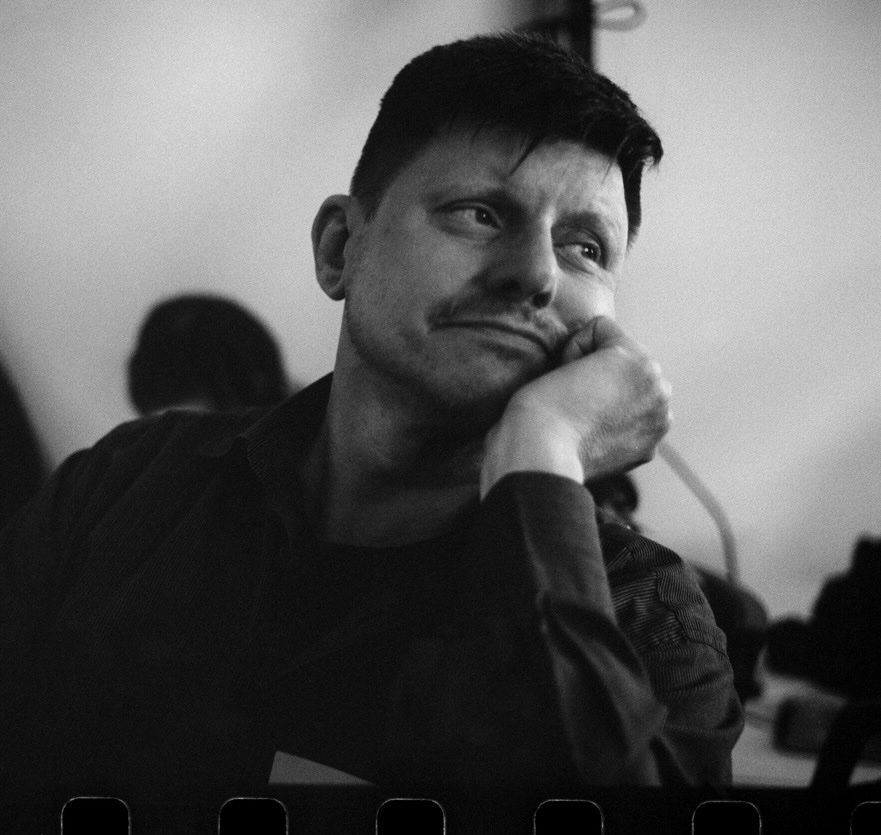
Foto: Jošk Franko, D hub
Elected authoritarian leaders understand the power of stories. They use narratives to dominate public conversation and consolidate power through lies, distortion, fear, and division. Yet they also speak in simple, accessible language, creating a sense of belonging to engage overlooked communities. Identifying this helps us understand their appeal and how to counter it.
That's where the Anti-Authoritarian Toolkit comes in. It focuses on narrative strategies: six plays designed to help you present your messages, connect emotionally with people, and build resilient political movements. Each play offers tested approaches to capture attention, inspire action, and foster long-term engagement – not just moments of mobilization, but lasting communities of trust and participation.
In this workshop we show how to design messaging in real concerns, craft universal themes that unite diverse groups, and use humor and symbols to engage people. We also explore how to break through authoritarian shields – exposing corruption, betrayal, and the harm hidden behind false promises.
Throughout, we emphasize narratives that reflect people's lived experiences – showing how political change can improve the daily life of citizens. When messages mirror familiar and prevailing struggles and hopes, they become more authentic, mobilizing, and credible.
Our goal is to equip workshop participants with the tools to take control of public discourse and reshape our communities around values of unity, hope, and shared humanity. Because the stories we tell can turn the tide.
Achtung
Aufzeichnung

00:00
/
00:00
Zum Nachlesen
Die Inputs aus der Veranstaltung in Artikelform.
Speaker*innen
Weitere Veranstaltungen von Faktor D

Scheinwerfer an! Interessen wirksam in Politik und Verwaltung vertreten
Der Workshop zeigt praxisnah, wie strategische Interessenvertretung gelingt – von der richtigen Ansprache über Timing bis zu klaren Botschaften für Politik und Verwaltung. Franz Knoppe arbeitet für staatliche Organisationen und berät zivilgesellschaftliche Organisationen.
Gute Anliegen brauchen Gehör – in Politik, Verwaltung und bei Entscheidungsträger*innen. Wie gelingt strategische Interessenvertretung, ohne sich zu verzetteln?
Der Workshop gibt Einblicke in eine gelingende Interessenvertretung. Böse Zungen sprechen von Lobbyismus, schmeichelnde Stimmen von Public Affairs. Gemeint ist die strategische Kommunikation und Beziehungsarbeit von Unternehmen, Verbänden oder NGOs mit politischen Entscheidungsträger*innen, Behörden und der Gesellschaft. Neben praktischen Insights, die in keinem Handbuch stehen, teilt Franz Knoppe persönliche Berichte gelungener und misslungener politischer Kommunikation.
Die Teilnehmenden bekommen Antworten auf Fragen wie: Wie bereitet ihr Gespräche mit Politik und Verwaltung klug vor? Wie formuliert ihr klare Forderungen und holt Politik und Verwaltung ins Boot?
Die Teilnehmenden lernen den Policy Cycle und seine Phasen kennen. Anhand konkreter Beispiele werden verschiedene Interventionsmöglichkeiten, von „umarmenden“ (z.B. Grußworten) bis zu „angreifenden“ Formaten (z.B. Kunstaktionen), sowie geeignete Adressat*innen und Zeitpunkte zur Erreichung von Entscheidungsträger*innen vorgestellt. Ein Schwerpunkt liegt auf den entscheidenden Do’s und Don'ts im Umgang mit Politik und Verwaltung. Der Workshop gliedert sich in einen einstündigen Vortrag und anschließende Fragen sowie Diskussion.
Franz Knoppe berät zivilgesellschaftliche Organisationen und arbeitet für das Sozialministerium Sachsen.
.avif)
Von Wut zu Handlung: Emotionen als politische Kraft
In diesem Workshop wird gemeinsam erarbeitet, welche Relevanz Emotionen in gesellschaftspolitischen Kontexten haben, und wie sie Wirksamkeit entfalten können.
Wut gilt oft als problematisch. Dabei kann sie ein wichtiger Hinweis auf Ungerechtigkeit sein. In diesem Workshop geht es darum, Wut nicht zu unterdrücken, sondern sie als politische Ressource zu verstehen und produktiv zu nutzen.
Gerade im Kontext von Rassismus und anderen Formen von Ausgrenzung wird Wut häufig delegitimiert oder kriminalisiert. Ausgehend von dieser Beobachtung erarbeiten wir gemeinsam, wie Emotionen, insbesondere Wut, in gesellschaftspolitischen Kontexten wirksam werden können. Welche Narrative dominieren derzeit? Wie können wir andere Erzählungen entwickeln, die nicht auf Angst, sondern auf Zusammenhalt und Veränderung zielen?

Moderierter Slot I @wefightfirewithfire – Eine begehbare For-You-Page über rechte Strategien auf TikTok
Eine begehbare For-You-Page macht rechtsextreme Strategien auf TikTok sichtbar und lädt dazu ein, digitale Radikalisierung besser zu verstehen und gemeinsam Gegenstrategien zu entwickeln.
Fight Fire With Fire (@wefightfirewithfire) ist ein TikTok-Experiment von medialepfade.org.
Ein Jahr lang haben wir durch die strategische Verwendung von Hooks, Sounds und erzählerischen Brüchen mit den Logiken der Plattform gespielt. Das sind dieselben Mechanismen, mit denen auch rechtsextreme Online-Akteur*innen Reichweite erzielen. Wir setzen sie ein, um sie offenzulegen und für demokratische Kommunikation umzudeuten.
Die begehbare Installation übersetzt dieses Experiment in einen erfahrbaren Raum. Besucher*innen treten in eine räumliche For-You-Page ein, in der die Grenzen zwischen Original und demokratischem Gegenimpuls wahrnehmbar werden. Offene Stationen machen die Projektarbeit, redaktionelle Prozesse und Herausforderungen nachvollziehbar. An einer Reflexionswand sammeln sich über die Festivaltage hinweg die Eindrücke der Besucher*innen.
In zwei moderierten Gesprächen dekonstruieren wir gemeinsam einzelne Videos und sprechen über mögliche Adaptionen für die eigene Kommunikationsarbeit. Die offene Frage, die wir mitbringen: Kann man Feuer wirklich mit Feuer bekämpfen?
Eine Veranstaltung in Kooperation mit